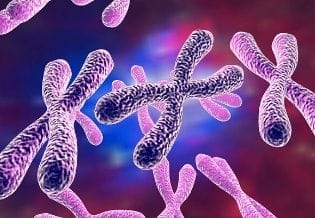
Journal of Chromosomes is a leading open access platform dedicated to rapid publication of high-quality molecular biology research exploring chromosome organization, behavior, and regulatory mechanisms. We serve the global chromosome biology community by accelerating dissemination of discoveries that illuminate fundamental cellular processes governing genetic information storage, replication, repair, and transmission.
Our editorial mission emphasizes rigorous peer review, transparent publication practices, and barrier-free access to research advancing mechanistic understanding of chromatin architecture, gene regulation, DNA metabolism, and chromosomal dynamics across model systems and experimental approaches.
Molecular Research Scope
Journal of Chromosomes publishes original investigations, technical innovations, and comprehensive reviews advancing molecular knowledge of chromosome biology. Our scope encompasses structural, functional, and regulatory mechanisms defining chromosomal processes across diverse organisms and experimental systems.
Chromatin Structure & Architecture
Nucleosome organization, higher-order chromatin folding, three-dimensional genome topology, topologically associating domains, chromosome territories, and structural maintenance protein complexes.
Gene Expression Regulation
Transcriptional control mechanisms, epigenetic modifications, histone variants and PTMs, chromatin remodeling machinery, enhancer-promoter communication, and regulatory non-coding RNA pathways.
DNA Replication & Genome Maintenance
Replication origin licensing, fork progression dynamics, checkpoint signaling, DNA damage response pathways, homologous recombination, non-homologous end joining, and genome stability mechanisms.
Chromosome Segregation Mechanisms
Kinetochore assembly and function, spindle attachment checkpoint, cohesion establishment and dissolution, chromosome condensation, centromere specification, and mitotic/meiotic division processes.
Telomere & Centromere Biology
Telomerase regulation, alternative lengthening pathways, telomere protection complexes, centromeric chromatin composition, CENP-A nucleosomes, neocentromere formation, and chromosomal end integrity.
Chromosomal Evolution & Structural Variation
Karyotype evolution, chromosomal rearrangement mechanisms, structural variant formation, comparative genomics approaches, molecular cytogenetics, and drivers of chromosomal diversity.
Publication Advantages
Accelerated Research Dissemination: Our streamlined editorial process delivers initial decisions within 2-3 weeks of submission, with accepted manuscripts published online within days of final approval-ensuring your discoveries reach the scientific community rapidly.
- Expert Molecular Biology Review: Manuscripts evaluated by specialists in chromosome structure, gene regulation, DNA metabolism, and cellular dynamics who provide constructive, mechanistically-focused feedback to strengthen research quality.
- Immediate Open Access: All articles published under Creative Commons Attribution (CC BY 4.0) licensing, enabling unrestricted sharing, citation, and reuse while authors retain full copyright ownership.
- Broad Scientific Indexing: Published research distributed through major academic databases, institutional repositories, and molecular biology discovery platforms to maximize visibility and citation potential.
- Transparent Editorial Communication: Clear, timely updates at every publication stage from initial submission acknowledgment through peer review to final online publication.
- Data Sharing Facilitation: Support for deposition of datasets, experimental protocols, plasmid sequences, and supplementary materials in appropriate public repositories.
- Methodological Reproducibility Focus: Editorial emphasis on detailed methodology documentation, statistical rigor, and experimental validation to ensure research reproducibility.
Article Categories
Original Research Articles
Comprehensive reports of novel molecular mechanisms, protein interactions, or regulatory pathways advancing chromosome biology. Must include robust experimental design, rigorous data analysis, clear mechanistic interpretation, and reproducibility validation.
Short Communications
Concise reports of preliminary mechanistic findings, novel technical methodologies, or time-sensitive molecular observations warranting rapid dissemination to the chromosome research community.
Review Articles
Comprehensive syntheses of current molecular understanding in specific chromosome biology domains. Should critically analyze existing knowledge, identify mechanistic gaps, and propose future research trajectories.
Methods & Technical Protocols
Detailed experimental protocols for molecular techniques, biochemical assays, imaging approaches, or computational tools enabling chromosome biology research. Must include validation data and reproducibility assessment.
Molecular Rigor Standards: All experimental research must document methodology with sufficient detail for independent replication, including sample preparation, biochemical conditions, microscopy parameters, statistical approaches, and data analysis workflows. We encourage pre-registration of experimental hypotheses and deposition of raw datasets in public repositories.
Editorial Integrity Standards
Journal of Chromosomes adheres to Committee on Publication Ethics (COPE) guidelines and maintains rigorous standards for scientific integrity, ethical research conduct, and transparent publication practices.
- Rigorous Molecular Peer Review: Single-blind evaluation by qualified chromosome biology experts ensures quality while maintaining reviewer accountability.
- Research Ethics Compliance: All research involving human-derived materials, animal models, or recombinant DNA technologies must document institutional review board approvals and regulatory compliance.
- Conflict Disclosure Requirements: Authors, reviewers, and editors must declare financial, collaborative, or competitive relationships that could influence objectivity or interpretation.
- Data Authenticity Verification: Plagiarism detection via iThenticate, Western blot integrity analysis, microscopy image forensics, and statistical review ensure published data authenticity.
- Post-Publication Correction Mechanisms: Transparent processes for errata, corrigenda, expressions of concern, and retractions maintain reliability of the scientific record.
Scope Boundary: Journal of Chromosomes focuses exclusively on molecular mechanisms and fundamental biological processes. Research emphasizing clinical diagnostics, patient outcomes, therapeutic applications, or medical interventions falls outside our scope and should be directed to appropriate clinical journals.
Manuscript Submission
Authors should carefully review our comprehensive Instructions for Authors before preparing manuscripts. Essential requirements include:
- Original research not under concurrent consideration at other journals
- Structured abstract (250 words maximum) with Background, Methods, Results, Conclusions sections
- Comprehensive Materials & Methods enabling independent reproduction of experiments
- High-resolution figures with detailed legends explaining molecular techniques and quantification
- Reference formatting according to journal citation style guidelines
- Author contribution statements using CRediT taxonomy
- Funding source acknowledgments and data availability declarations
Submit manuscripts through our online submission portal or via email to [email protected]. Our editorial team acknowledges receipt within 48 hours and provides regular status updates throughout the review cycle.
Contribute to Chromosome Biology
Share your molecular discoveries with a global community of researchers advancing fundamental understanding of genome organization, regulation, and dynamics. Accelerate scientific progress through rapid, rigorous, open access publication.
Editorial Inquiries: Contact our editorial office at [email protected] for questions about scope suitability, submission procedures, article processing charges, or institutional membership options. We are committed to supporting your research publication needs.